Best DevOps and deployment tools in 2026
CI, deploys, environments, and the tooling that keeps production boring.
These are the tools that sit between a merged pull request and something running, which makes them the ones most often evaluated under pressure. Before launch is the better time: you can read how a tool models environments, secrets, and rollbacks while nothing is on fire. A tool in this category is competing with a pipeline you already have, so the bar is not whether it works but whether it is worth a migration.
15 tools · 1 launching soon
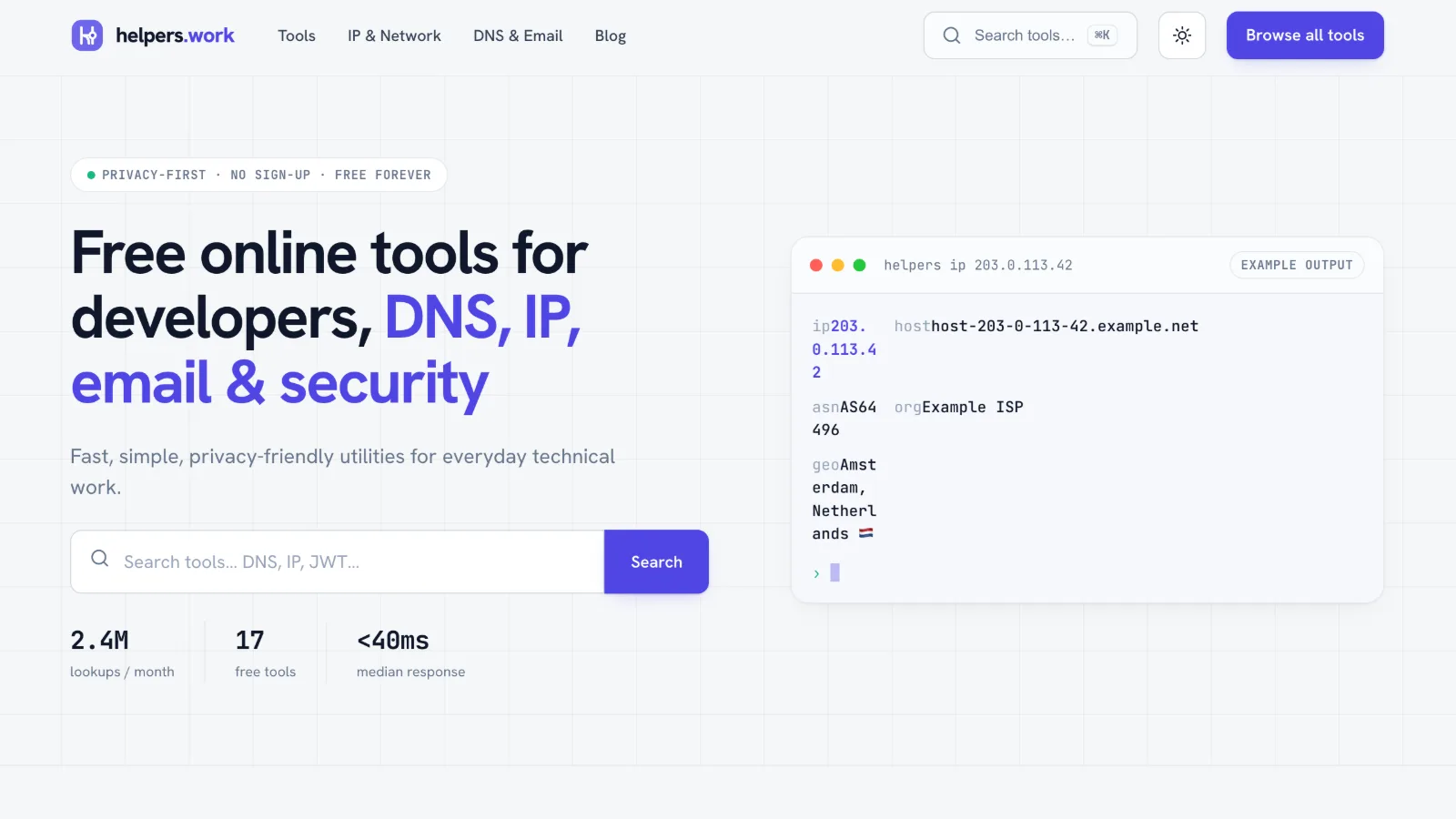

helpers.work
Launched17 free online tools for developers, DevOps and sysadmins
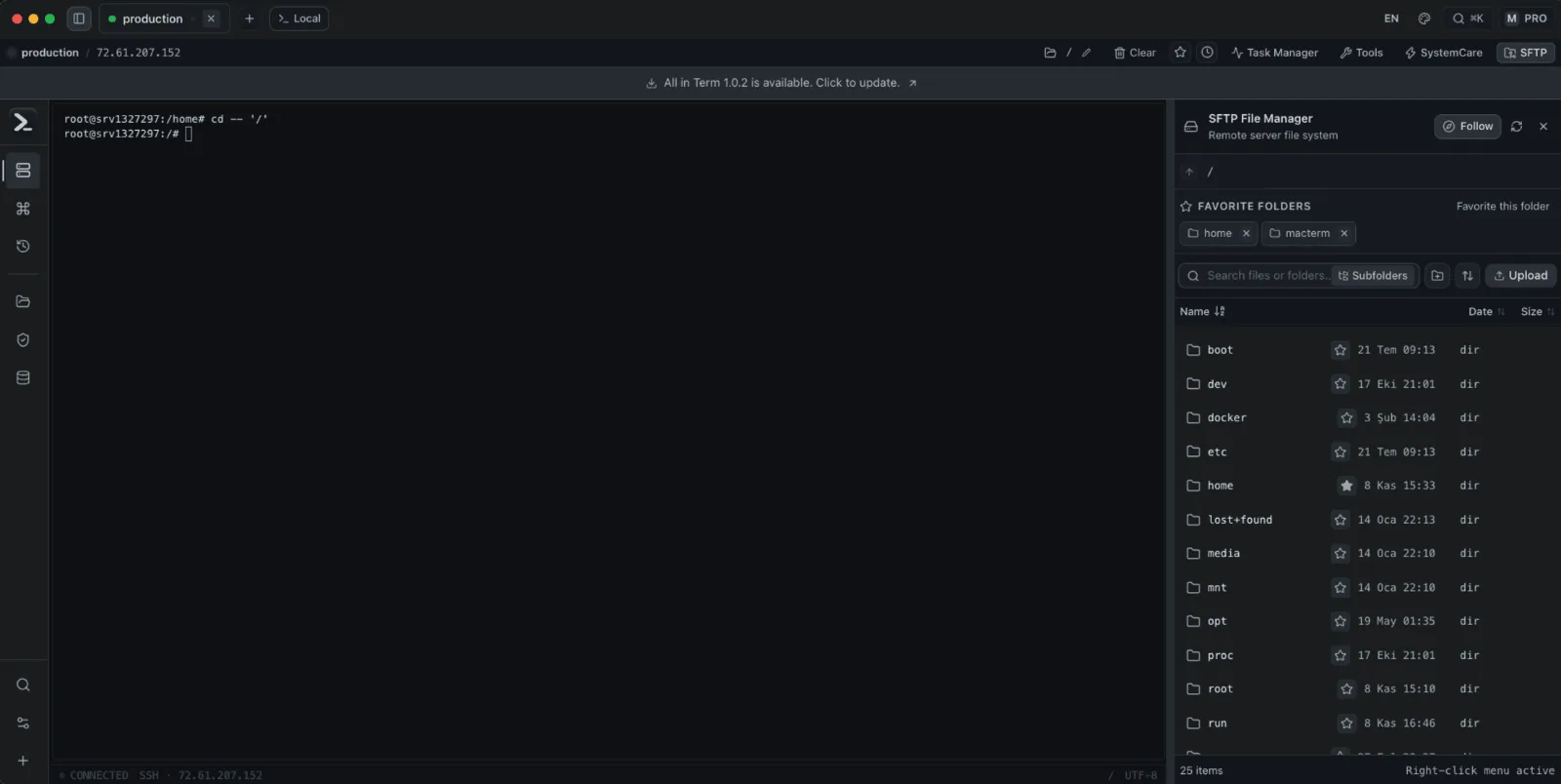

All in Term
LaunchedA terminal app for Mac and Windows with SSH, SFTP, database, Docker and Nginx tools in one workspace.


XTTY
LaunchedA native Mac terminal built for fast SSH workflows, multi-host operations, and agent-aware remote work.
OpenUptime
LaunchedOpen-source uptime monitoring and public status pages


Fly.io
LaunchedA platform for running apps and databases in virtual machines close to your users.


Inngest
LaunchedDurable workflows and background functions triggered by events, written in your own codebase.
Sentry
LaunchedError tracking and performance monitoring for applications.
machine0
LaunchedPersistent NixOS and Ubuntu virtual machines controlled from the CLI, designed for long-running agents.

Kedge
LaunchedA cloud platform that deploys websites, apps and databases to a public HTTPS URL over SSH or Git.
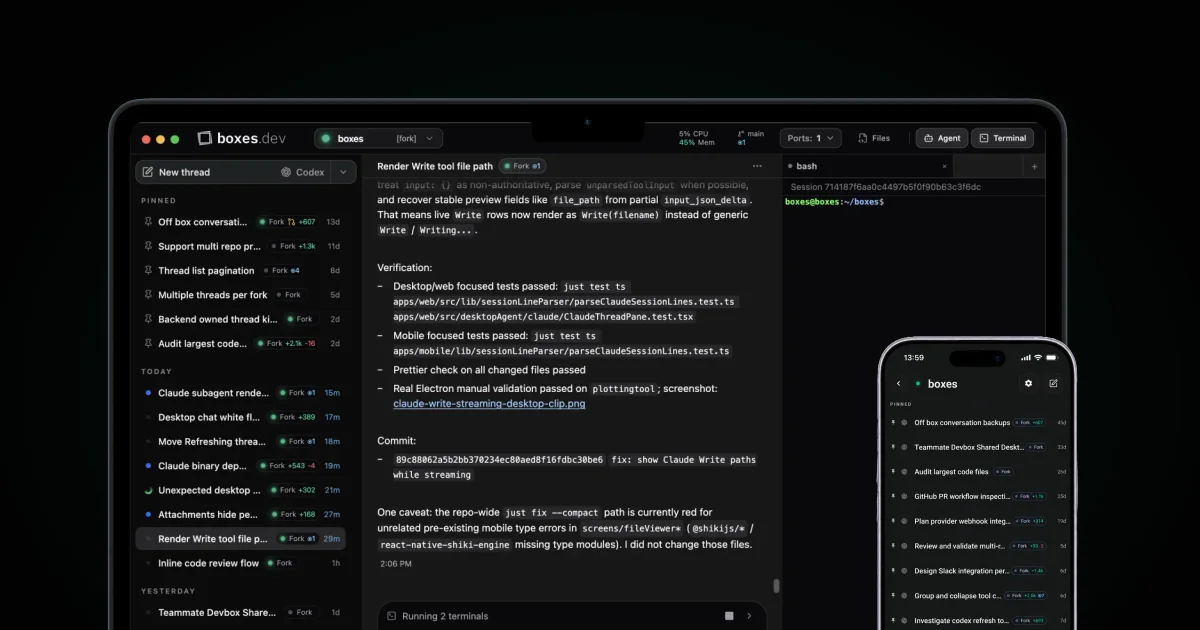

boxes.dev
LaunchedCloud computers for coding agents such as Claude Code and Codex, managed from desktop, phone or terminal.


Vercel
LaunchedA platform for deploying and hosting web apps, from the team behind Next.js.
Trigger.dev
LaunchedOpen-source background jobs and long-running workflows written in TypeScript.

Railway
LaunchedInfrastructure that deploys from a repo or Dockerfile, with databases and environments built in.

PRAXIST
BetaAutonomous research system for measurable, computer-executable research.
Launching soon
Upcoming DevOps tools
Listings with a launch still ahead of them. Join the waitlist now and the launch date lands in your inbox.
Evaluating
What to look for
Questions that are far easier to ask before a launch than after one.
Check whether the config lives in your repository
Pipelines defined in a file you can review and revert age far better than pipelines defined in a web UI. This is usually clear from the docs before launch.
Look at how it handles secrets
Where they are stored, who can read them, and what ends up in logs. A vague answer here is the one thing worth blocking an adoption on.
See what it does when it fails halfway
Rollbacks, partial deploys, and stuck locks are the real test. Teasers show the green run; the docs are where the red one is described.
FAQ
Questions about this category
What belongs in DevOps rather than developer tools?
Anything whose job starts after the code is written: CI, deploys, environments, infrastructure, and the observability of the pipeline itself. Tools you run while writing code sit under developer tools.
Can I try these without touching production?
Usually, and you should. Most listings in beta can be pointed at a scratch repository or a staging environment, which is enough to see how they model secrets and environments.
Nearby
Related categories
Corners of the stack that overlap with this one, either in the listings themselves or in practice.
Developer Tools
The wide bucket: CLIs, local environments, test runners, and code review.
60 tools
SaaS
Hosted products where someone else carries the operational load.
23 tools
AI
Coding agents, inference runtimes, and the plumbing that keeps them reproducible.
20 tools
Databases
Storage engines, query layers, and the data path under everything else.
12 tools