Best analytics tools in 2026
Product analytics and telemetry, usually without a heavy browser tracker.
Analytics tools arriving now are mostly reacting to the same two pressures: privacy rules that made the old approach uncomfortable, and teams who would rather query their own data than click through someone else's dashboard. The differences that matter are structural — where events are stored, what the query language is, whether a script has to run in the browser at all. Those are decisions a team has already made by the time there is a teaser to look at.
5 tools
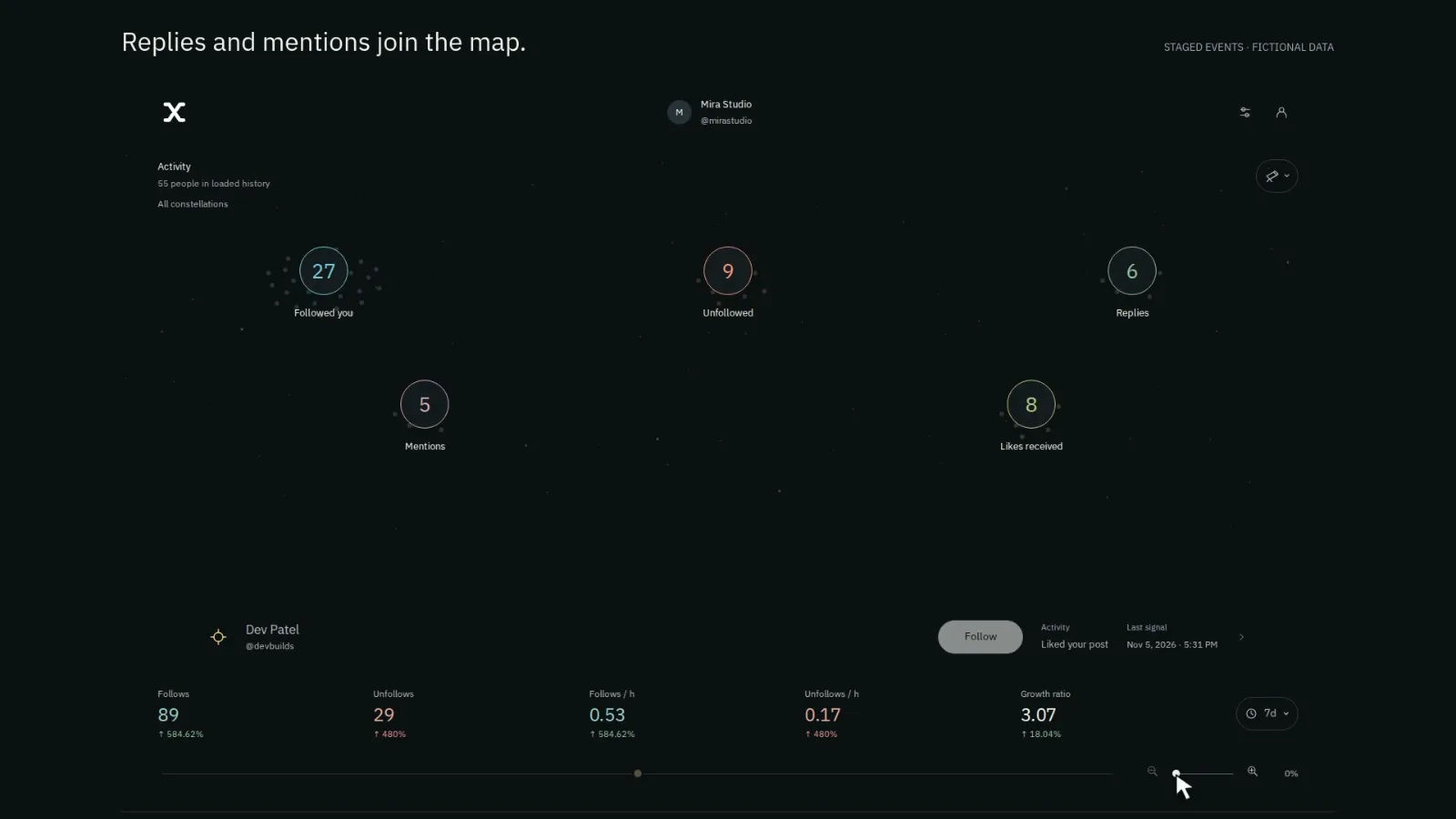

XFlog
LaunchedSelf-hosted X activity history with a constellation timeline.
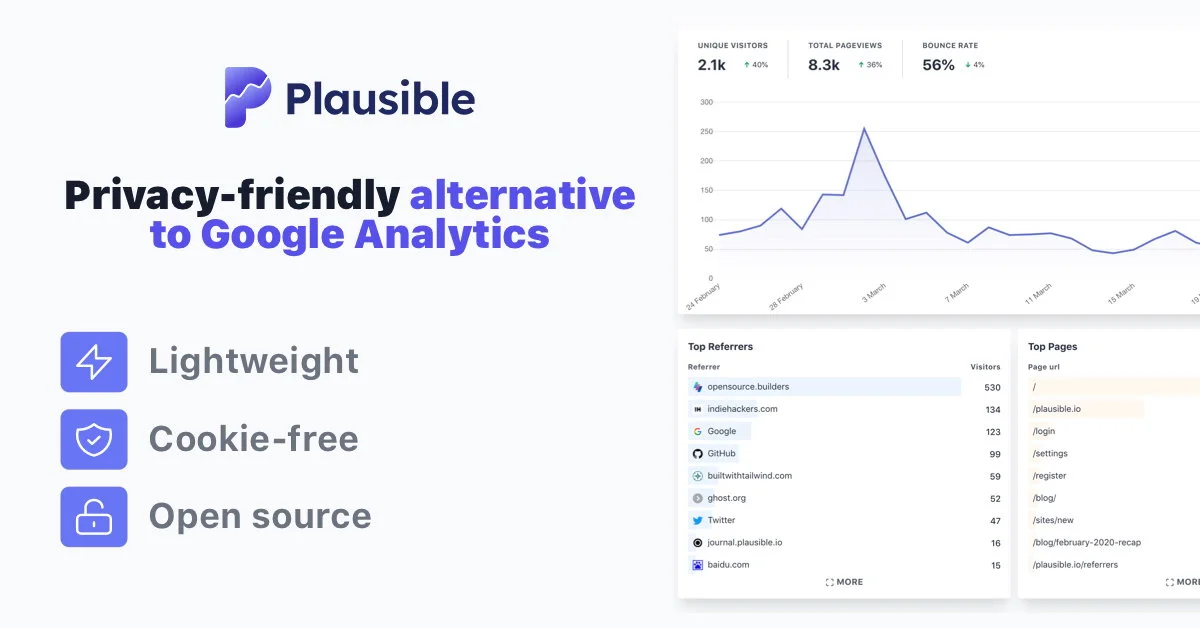

Plausible Analytics
LaunchedOpen-source, privacy-friendly web analytics without cookies.

Trifle
LaunchedOpen-source time-series metrics that work with your existing database.
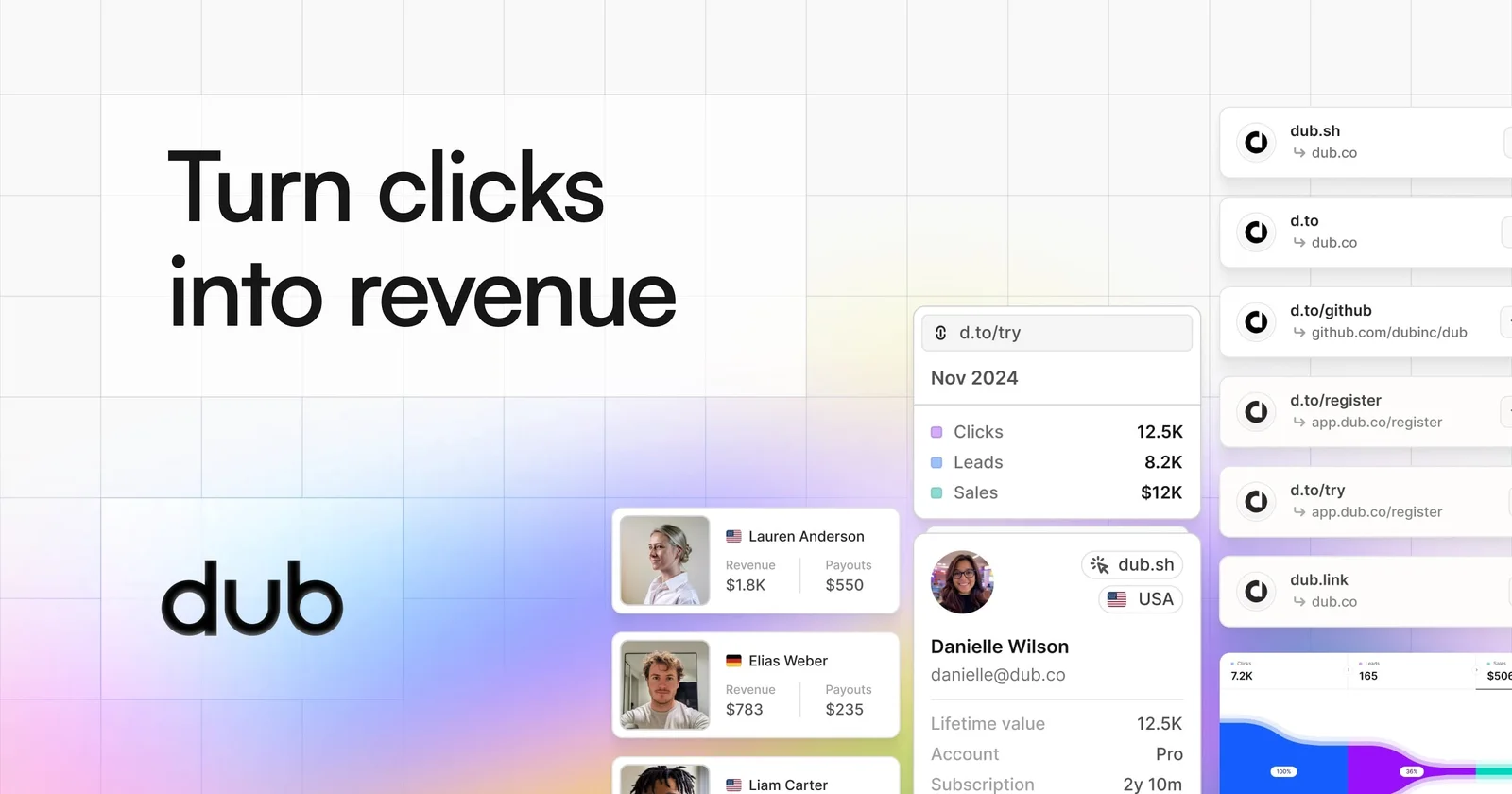

Dub
LaunchedA link attribution platform with branded short links, conversion tracking and affiliate programs.
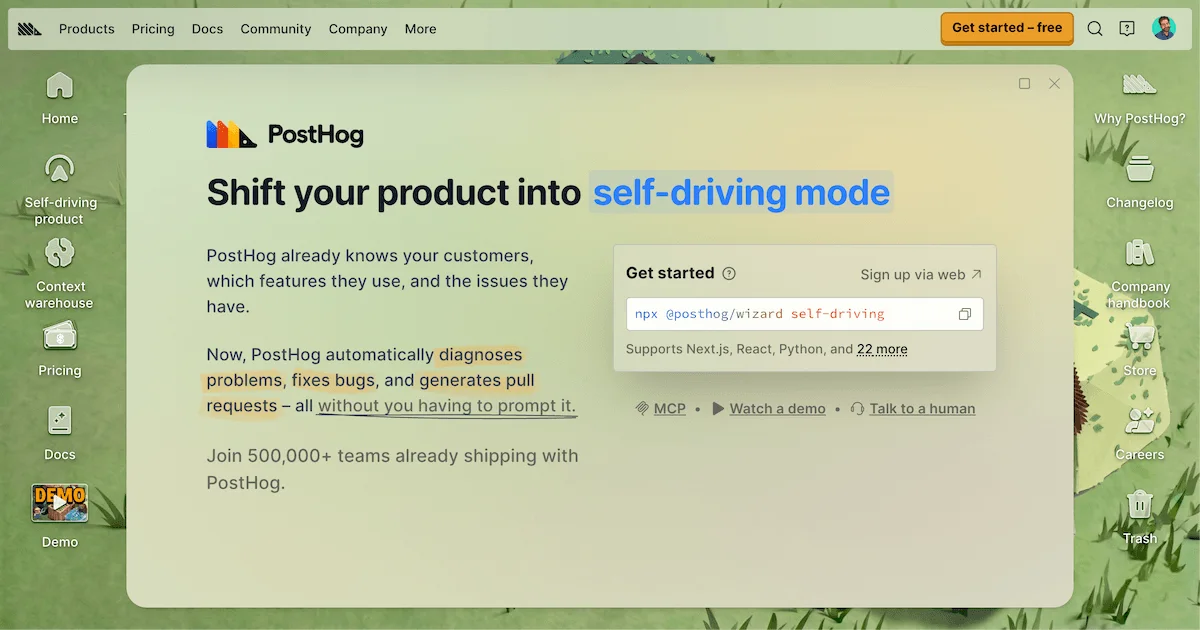

PostHog
LaunchedOpen-source product analytics, session replay, feature flags and experiments in one platform.
Evaluating
What to look for
Questions that are far easier to ask before a launch than after one.
Find out what runs in the browser
Script weight, cookie use, and whether collection survives an ad blocker decide how complete your numbers are. Server-side and client-side collection are not interchangeable.
Check whether you can query raw events
Dashboards answer yesterday's questions. SQL or a clean export answers the one you have not thought of yet, which is the difference between a tool you keep and one you outgrow.
Look at how it prices volume
Event pricing and seat pricing reward completely different habits. If sampling or retention limits are part of the plan, they quietly shape what you are allowed to ask.
FAQ
Questions about this category
Are these all privacy-focused alternatives?
Many are, since that is what most new entrants are reacting to, but the category also covers telemetry, warehouse-first tooling, and dashboards. Each listing says what the tool is actually doing.
Can I get the raw data out?
Often, and it is worth checking before you commit. Tools that expose SQL or a full export let you answer questions their dashboard never anticipated.
Nearby
Related categories
Corners of the stack that overlap with this one, either in the listings themselves or in practice.
Open Source
Projects with public code, whether they are pre-1.0, pre-launch, or pre-announcement.
45 tools
SaaS
Hosted products where someone else carries the operational load.
23 tools
Databases
Storage engines, query layers, and the data path under everything else.
12 tools
Productivity
Docs, notes, and planning — the tools around the code rather than in it.
24 tools