Best databases and data tools in 2026
Storage engines, query layers, and the data path under everything else.
Data infrastructure is the slowest thing to adopt and the most painful to reverse, which is exactly why it pays to read about it a year before you would consider it. Every new engine is making one specific trade — latency for consistency, flexibility for cost, familiarity for speed — and the teaser leads with the win rather than what was given up. The useful early question is what a database is not trying to be.
12 tools
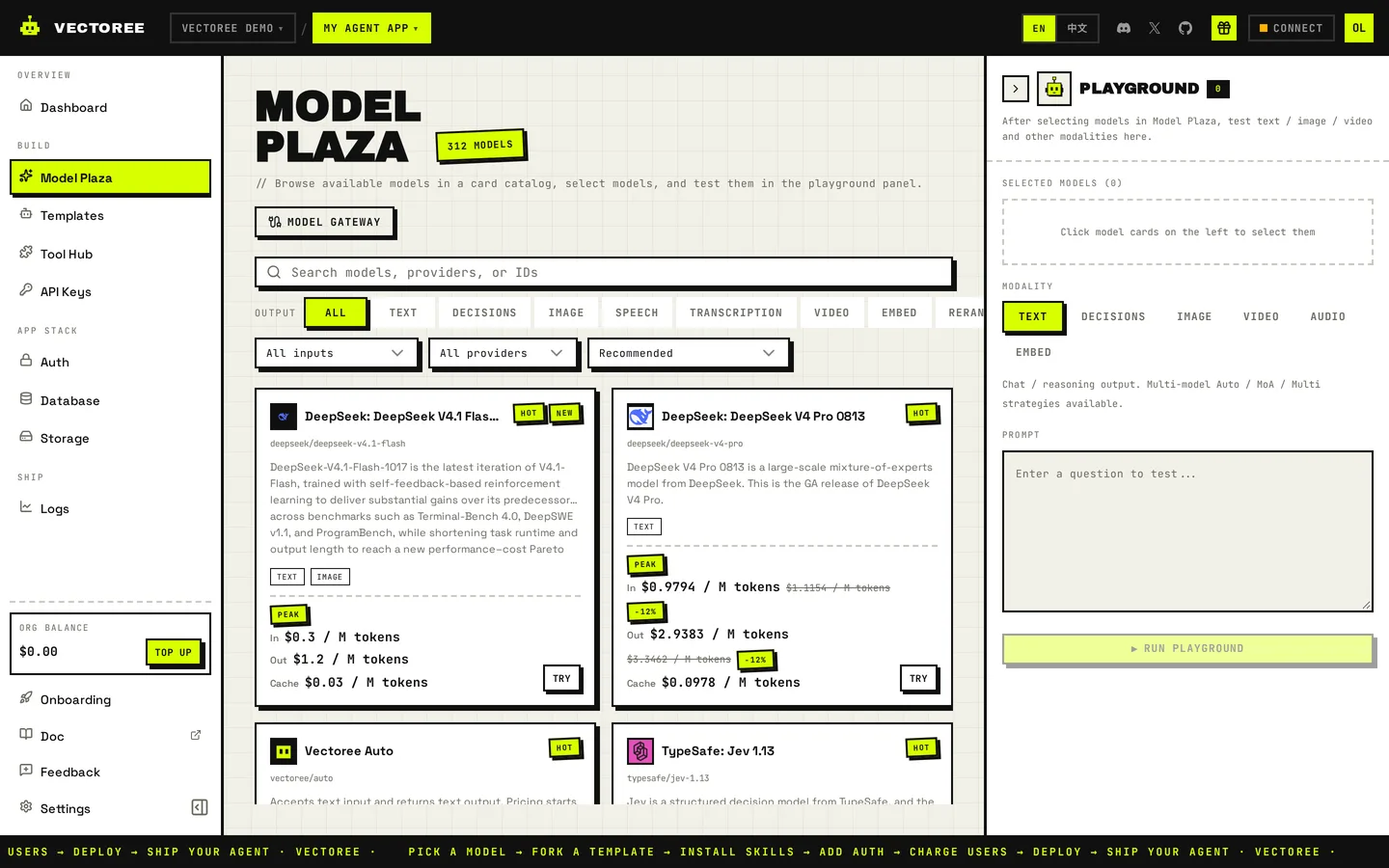

Vectoree
LaunchedA backend for coding agents: model gateway, auth, Postgres and storage behind one project key.
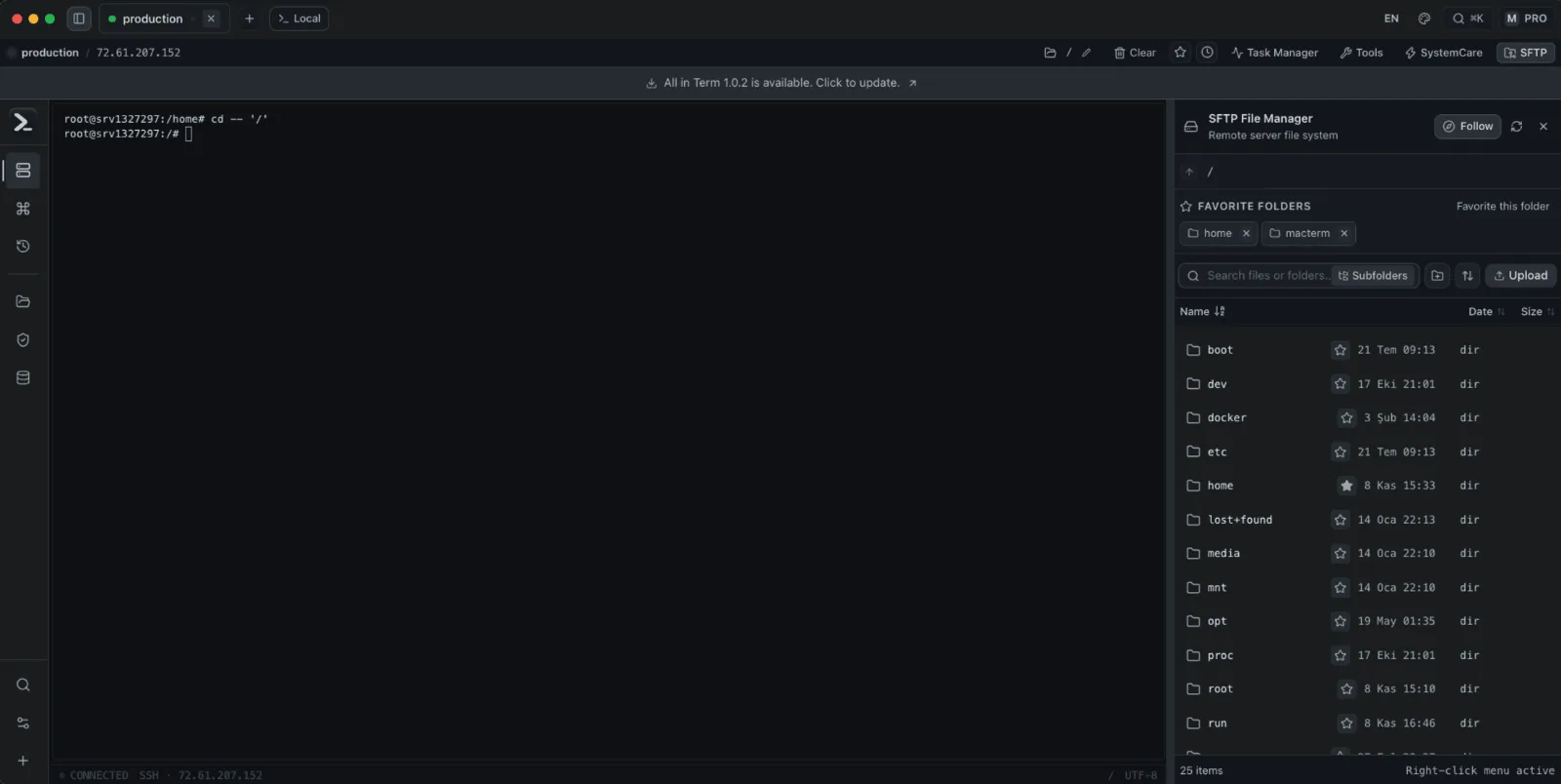

All in Term
LaunchedA terminal app for Mac and Windows with SSH, SFTP, database, Docker and Nginx tools in one workspace.

Tabularis
LaunchedOpen-source SQL workspace for desktop and web
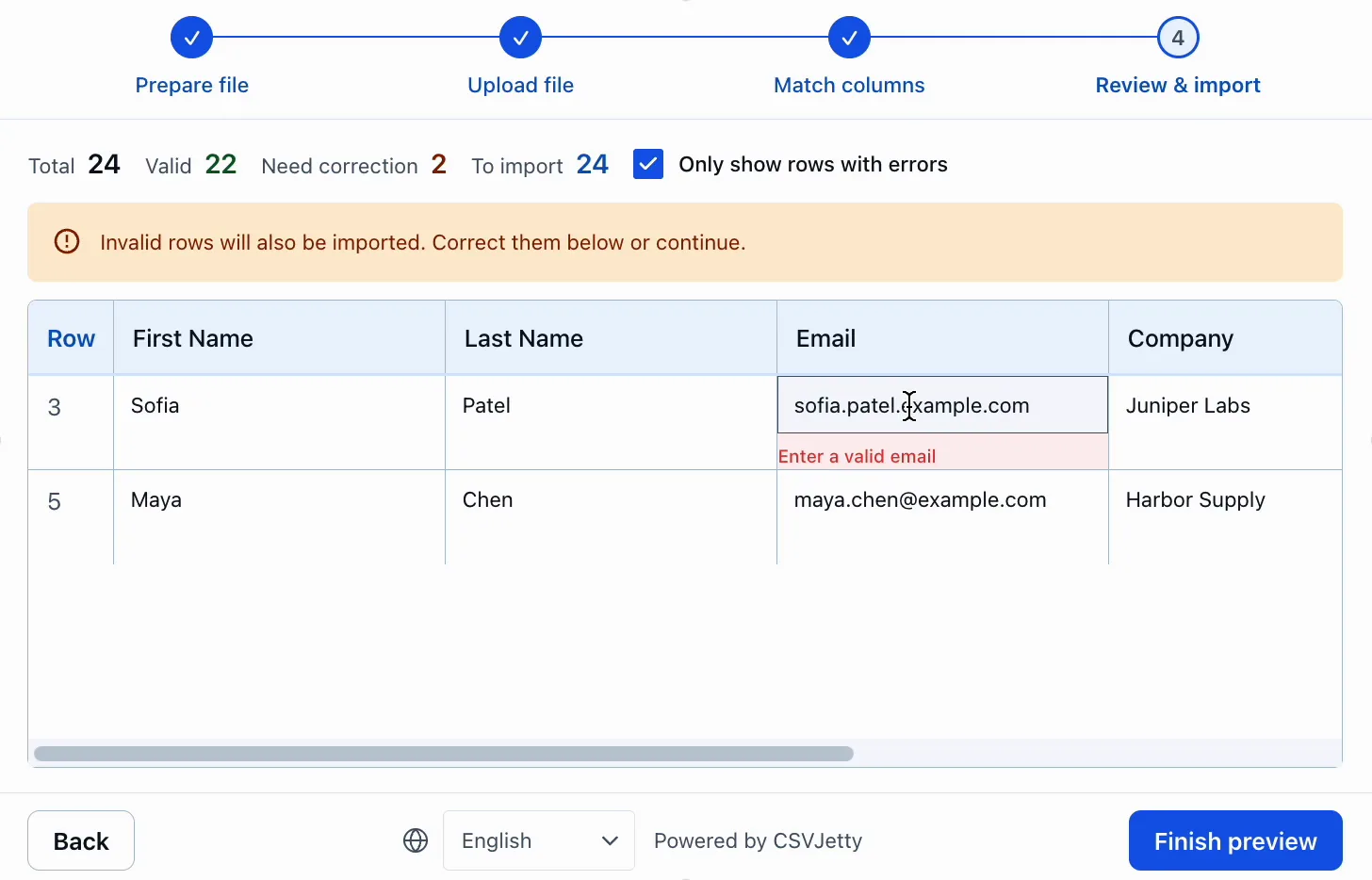

CSVJetty
LaunchedCSV imports for React with column mapping, validation, and inline corrections

Upstash
LaunchedServerless Redis, vector search and message queues with HTTP APIs.
Convex
LaunchedA reactive backend where queries, mutations and schemas are written in TypeScript.

Prisma
LaunchedA TypeScript ORM with a declarative schema, migrations and a type-safe query client.
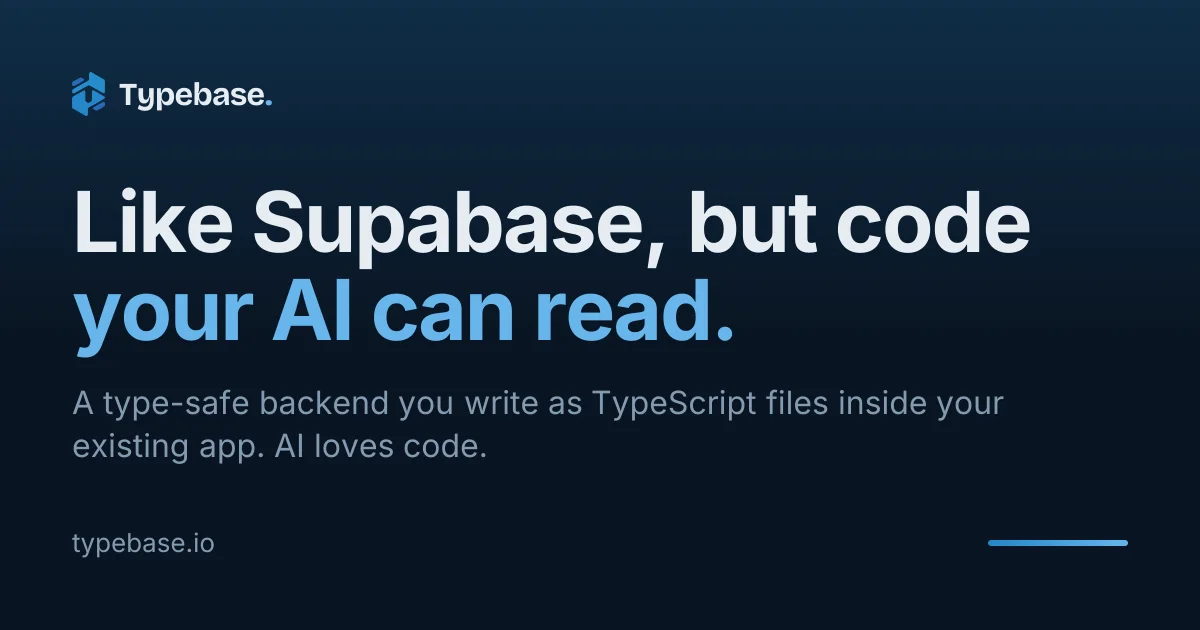

Typebase
LaunchedA backend in one folder of TypeScript: database, server functions, auth and file storage.
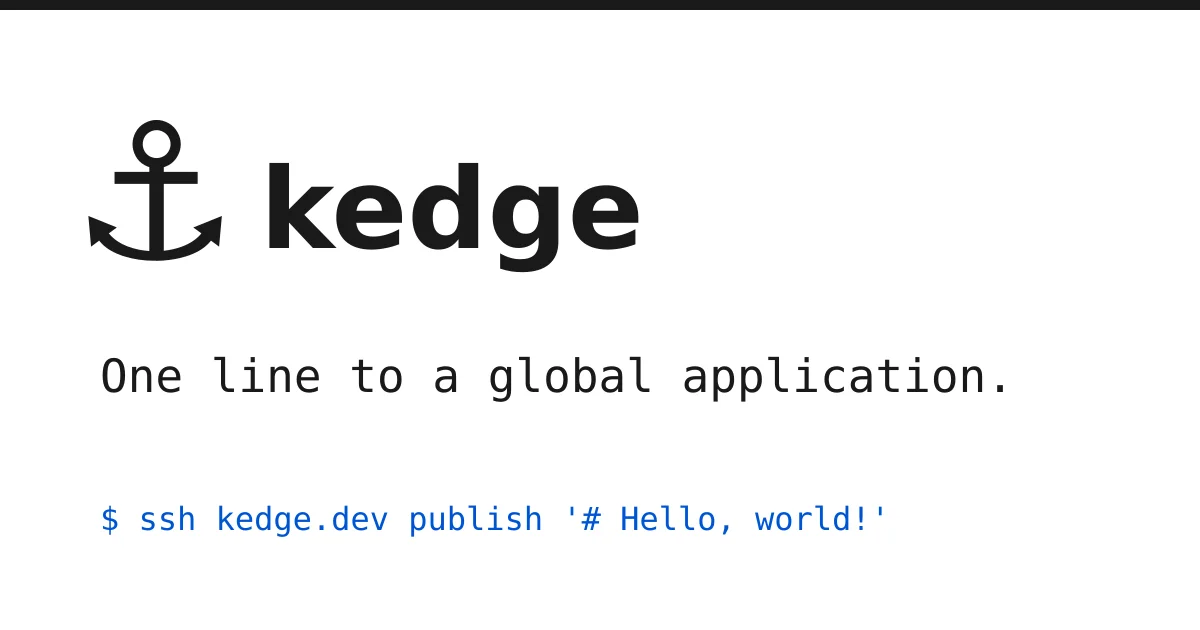

Kedge
LaunchedA cloud platform that deploys websites, apps and databases to a public HTTPS URL over SSH or Git.

Turso
LaunchedSQLite for production: a distributed database built on libSQL with embedded replicas.

Neon
LaunchedServerless Postgres that scales to zero, with instant database branching.

Supabase
LaunchedAn open-source backend built on Postgres: database, auth, storage, realtime and edge functions.
Evaluating
What to look for
Questions that are far easier to ask before a launch than after one.
Find the trade it made
Every new engine is fast at something because it is slow or strict somewhere else. If the landing page does not say where, the docs or the benchmark methodology usually will.
Check the wire protocol
Something that speaks Postgres or SQLite inherits drivers, migration tools, and people who already know it. A new protocol means all of that has to be rebuilt.
Ask what recovery looks like
Branching and snapshots make the demo. Restoring one table to one point in time is what you will actually need, and it is a fair thing to ask before you queue up.
FAQ
Questions about this category
Would anyone really switch databases because of a listing?
Rarely, and that is fine. The more common use is knowing what exists before the next project starts, which is the one moment the choice is cheap.
Are managed services and self-hosted engines both included?
Yes, along with query engines, migration tooling, and anything else in the data path. The listing and its other categories tell you which kind you are looking at.
How do I compare two of these before launch?
Read what each one refuses to do. Two databases with the same benchmark chart usually differ on consistency, protocol compatibility, or recovery, and those differences are documented long before a stable release.
Nearby
Related categories
Corners of the stack that overlap with this one, either in the listings themselves or in practice.
Open Source
Projects with public code, whether they are pre-1.0, pre-launch, or pre-announcement.
45 tools
Developer Tools
The wide bucket: CLIs, local environments, test runners, and code review.
60 tools
DevOps
CI, deploys, environments, and the tooling that keeps production boring.
15 tools
APIs
Gateways, SDK generators, mock servers, and contract testing.
12 tools