How-To
Why Movie Trailers Spoil Too Much, and How to Watch Them Smarter
Modern trailers routinely reveal the third act, the twist, and every good joke. Here is why the industry does it, how the formula works, and what to do instead.
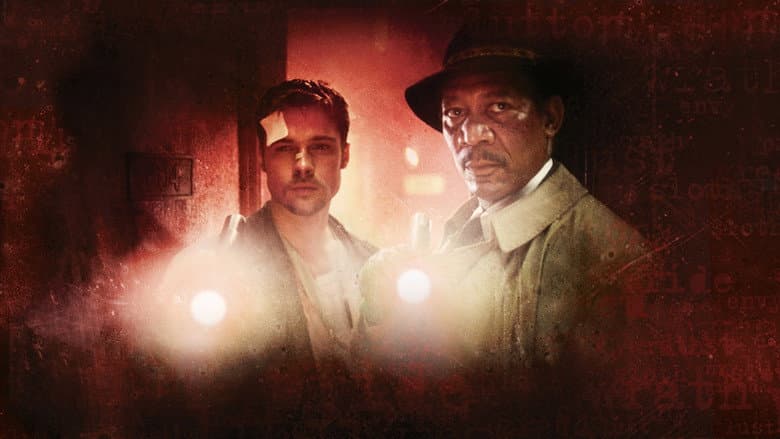
Hero image: Se7en (artwork via TMDB)
Key takeaways
- Trailers are optimized for opening weekend ticket sales, not for your experience of the film.
- The standard structure gives away the first act, the inciting incident, and frequently a third-act image.
- Teasers are almost always safer than full trailers, and older trailers are safer than newer ones.
- The two-line synopsis on a movie page tells you what you need without the visual spoilers.
There is a specific frustration in watching a film and recognizing a shot from the trailer, then waiting forty minutes for the scene it belongs to, then realizing you already know what happens because the trailer showed you the payoff. It is not your imagination and it is not carelessness. It is a deliberate commercial decision, and understanding why makes it much easier to work around.
Trailers are not made for you
The central thing to understand is that a trailer is not made by the people who made the film. It is made by a specialist trailer house, commissioned by the marketing department, and its performance is measured against a single question: did people buy a ticket in the opening weekend?
That objective has nothing to do with your enjoyment of the film once you are in the seat. In fact the two goals actively conflict. The most reliable way to make someone buy a ticket is to show them the most exciting thing in the film, and the most exciting thing in the film is almost always in the third act.
The economics reinforce it. A large studio film may need to recover its budget within two weekends before word of mouth and competition erode the audience. Under that pressure, a marketing team will trade a slightly worse experience for a measurably larger opening every single time, and they are not being unreasonable: their job is the opening.
The formula, and what it gives away
Most full trailers follow a three-part structure that has been stable for roughly twenty years. Once you can see it, you can predict exactly which parts of a film you are about to have spoiled.
Part one: the setup, roughly 0:00 to 0:45
Establishing shots, the protagonist's ordinary life, quiet music, and the inciting incident. This section is generally safe and is genuinely the useful part: it tells you the premise, the tone, and who is in it.
Part two: the escalation, roughly 0:45 to 1:45
The music switches to something percussive, the cuts shorten, and you get a rapid montage of increasingly consequential moments. This is where the damage happens. The montage is drawn from across the whole film, including the second half, and it typically includes at least one shot that only makes sense after a major turn.
Part three: the button, the final 15 seconds
Title card, then one final beat, usually the best joke in a comedy or the most striking image in a drama. In comedies specifically this is close to guaranteed to be a top-three laugh in the film, and it will not land in the cinema because you have already heard it.

The specific things trailers ruin
- Character deaths. If a well-known actor appears briefly in a montage and never speaks, that is frequently a death scene shot out of context.
- The existence of a twist. Even without revealing what it is, a trailer that pointedly withholds information tells you there is something to withhold, which changes how you watch. This is a real cost for films like The Sixth Sense or Shutter Island.
- Surprise appearances. Cameos and returning characters are among the most common trailer reveals, because they are the most reliable ticket driver.
- Genre pivots. A film that begins as one thing and becomes another is routinely marketed on the second thing, which removes the pivot entirely. Parasite was marketed with unusual restraint precisely to avoid this.
- Every good joke. In comedies this is the most consistent damage. A ninety-second trailer with six laughs has typically used four of the film's best.
Which trailers are safe
| Type | Risk | Notes |
|---|---|---|
| Teaser (under 90 seconds) | Low | Usually cut before the film is finished, so there is less to spoil |
| First full trailer | Medium | Generally the most restrained of the full-length cuts |
| Second and third trailers | High | Cut later, aimed at people who did not buy on the first one |
| TV spots | Very high | Thirty seconds means only the biggest moments make the cut |
| Clips and featurettes | Very high | Entire scenes, often from the second half |
| Trailers from before about 2005 | Low to medium | Different marketing conventions, generally far less revealing |
One more rule that holds up well: the further from release a trailer was cut, the safer it is. Studios release progressively more revealing material as the date approaches and the pressure to convert undecided viewers increases.
What to do instead
You still need some way to decide whether a film is worth two hours. Here are five that do not cost you the film.
- Read two sentences of the synopsis and stop. The premise is almost always in the first two lines. The third line usually starts describing the plot, which you do not need.
- Check the genre, runtime, and director. These three facts predict your enjoyment better than any trailer, and none of them spoil anything.
- Watch the first thirty seconds of the trailer and close it. The setup section is genuinely useful and it is over before the montage starts.
- Read a review's first paragraph only. Critics generally describe the premise and their overall reaction before getting into detail.
- Use a recommendation you trust. A single sentence from someone whose taste you understand outperforms every trailer and every score.
On this site, every movie page puts the runtime, genres, cast, and a short synopsis above the trailer specifically so you can decide without pressing play. The trailer is there when you want it, and it is not the first thing you have to read.
Trailers that got it right
It is worth saying that restrained marketing is possible and occasionally happens.


Arrival was sold on atmosphere and a single question, with no footage from its final act. Parasite was marketed almost entirely from the first forty minutes, and Bong Joon-ho personally asked audiences and press not to describe the turn. Get Out sold the premise and the discomfort without revealing what the family is actually doing. And Se7en is a useful older example: its marketing established the tone and the procedural setup and showed nothing from the final twenty minutes.
What these have in common is that they sell a feeling rather than a plot. That is harder to do and it works, but it is a bigger risk for a marketing team, which is why it stays the exception.
The one exception worth making
There is a category where trailers are genuinely fine to watch: films you have already decided to see. If you are definitely watching it, a trailer costs you a small amount of surprise and buys you nothing, so there is no reason to. And there is a category where they are actively useful: films whose tone is hard to guess from a description. A one-line synopsis of a horror-comedy tells you almost nothing about whether it is funny, and thirty seconds of trailer tells you immediately.
The rule that covers both: watch the opening of a trailer to judge tone, and close it before the music changes.
For more on deciding without spoiling, see how to pick a movie in five minutes and our spoiler-free twist endings guide, which describes fifteen films without revealing a single reveal. Our guide to movie ratings covers the other common decision shortcut and where it misleads.
Frequently asked questions
Why do movie trailers give away so much?
Because trailers are made by marketing departments and measured on opening weekend ticket sales, not on your experience watching the film. Testing consistently shows that trailers revealing more of the plot sell more tickets, so studios keep making them.
Should I watch the trailer before seeing a movie?
Watch the first thirty seconds if you need to judge the tone, then close it. The opening section establishes the premise, and the montage that follows is where third-act footage and the best jokes appear.
Are teasers safer than trailers?
Usually yes. Teasers are typically cut before the film is finished, so there is simply less material available to spoil. Second and third trailers, TV spots, and clips are the highest risk.
How can I decide what to watch without spoilers?
Read the first two sentences of the synopsis, check the genre, runtime, and director, and read only the first paragraph of a review. Those four things predict your enjoyment better than a trailer and cost you nothing.
Which movies had good, non-spoiling trailers?
Arrival, Parasite, Get Out, and Se7en are all frequently cited. Each sold a tone and a premise rather than a plot, and none used footage from their final acts.
Tags
Ratings, runtimes, and artwork come from TMDB and can change over time. teasertrack is a free discovery site, not a streaming service: every pick links to its full movie page where you can check trailers, cast, and current availability.